
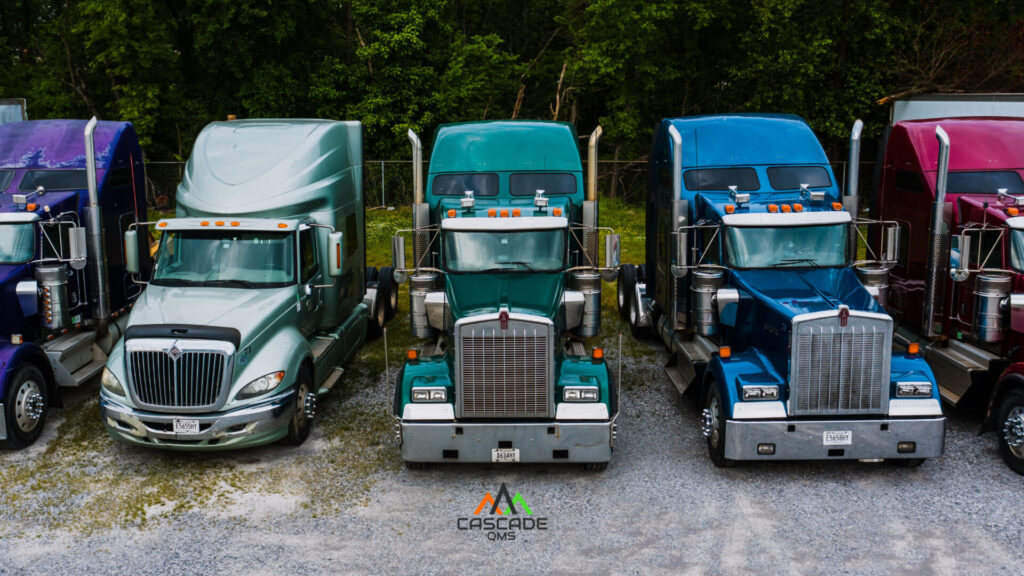
The trucking and hauling industry is the backbone of the American economy. From crude oil and refined fuels to chemicals, heavy equipment, and construction materials, transport fleets keep supply chains moving. But for contractors hoping to work with industry giants like Shell and Valero, the road to opportunity is paved with more than just horsepower—it’s built on a foundation of compliance, safety culture, and accountability.
In an increasingly regulated and digitized world, major clients expect transportation partners to do more than simply show up with a CDL and a clean truck. Shell and Valero, in particular, require contractors to demonstrate their safety practices, compliance with federal and state regulations, and adherence to evolving standards set by platforms like ISNetworld®, Veriforce, and Avetta. For intrastate and interstate carriers alike, navigating this landscape demands more than good intentions—it requires strategy, systems, and sometimes expert help.
The Compliance Burden in the Trucking & Hauling Sector
Whether you’re a fuel hauler in the Gulf Coast, a gravel supplier in the Midwest, or a chemical transporter operating between Texas and Louisiana, you’re facing increasing scrutiny from regulators and clients. FMCSA, DOT, OSHA, EPA, and PHMSA all impose specific obligations depending on what and where you haul. Intrastate carriers must meet state-specific requirements, while interstate haulers must stay on top of federal safety standards that apply across jurisdictions.
Shell and Valero don’t just assume your compliance—they verify it. That’s where systems like ISNetworld and Veriforce come into play. These platforms serve as third-party prequalification systems where companies must upload detailed documentation such as:
- Vehicle inspection logs
- Driver qualification files
- CSA scores
- Safety programs
- COIs
- Drug and alcohol policies
- Incident rates and OSHA logs
Failing to maintain up-to-date documents or respond promptly to audit requests can get you disqualified from future bids—or removed from a master service agreement altogether.
Regional Variability: East Coast, Midwest, Gulf, and West Coast Differences
While safety is universal, the requirements and expectations can vary depending on geography. In the Gulf Coast, where Shell and Valero operate major refineries and petrochemical plants, compliance often means being Veriforce-verified, maintaining H2S awareness certifications, and staying current on HazMat endorsements. Local regulations from Texas Commission on Environmental Quality (TCEQ) or Louisiana DEQ may also apply.
In the Midwest, agricultural haulers face seasonality challenges and are increasingly being asked to comply with ISNetworld documentation even for basic transport contracts. In California and along the West Coast, EV mandates and emissions compliance are added to the list. Shell’s growing network of hydrogen fueling stations and Valero’s expansion into renewable diesel have created a unique layer of sustainability documentation requirements.
The East Coast presents a different challenge—dense traffic, tight delivery windows, and union labor requirements can make contractor qualification more complicated. Clients want assurances that safety won’t be sacrificed under pressure, and that means tight compliance procedures from dispatch to delivery.
The Role of Technology and AI in Modern Hauling Compliance
Technology is transforming how Shell, Valero, and other major players evaluate contractor performance. AI-driven platforms like Veriforce and ISNetworld aren’t just repositories—they actively analyze your incident trends, flag outdated documents, and evaluate your responses against industry benchmarks.
For example, ISNetworld may send reminders to upload quarterly safety meetings or annual review documents, and failure to comply can instantly affect your grade. Similarly, Shell’s vendor onboarding may include digital reviews of your Safety Maturity Index or performance metrics tracked in Avetta.
Contractors who are still using paper logs or loosely organized safety documents are falling behind. To keep up, many companies are turning to outsourced compliance consulting firms like Cascade QMS to maintain their systems and provide ongoing updates, audits, and documentation support.
Electrification, Emissions, and the Changing Nature of Hauling
EV mandates and sustainability goals are also impacting safety compliance. Shell is actively investing in electric charging corridors and alternative fuels, while Valero is increasing its investment in renewable diesel. Contractors that want to haul for these companies must show they’re not just compliant—but aligned with broader ESG (Environmental, Social, and Governance) goals.
In California, for instance, some contracts now ask for emissions reduction plans or participation in CARB-approved programs. On the East Coast, urban delivery zones may require proof of route optimization or low-emission vehicle use.
Even if you’re hauling conventional materials, being able to demonstrate progressive policies—like fuel efficiency tracking, driver behavior monitoring, and carbon reporting—can help you stand out. It’s no longer just about safety; it’s about showing your company is forward-thinking and values the same priorities as your client.
Why Safety Culture Is Non-Negotiable
At the heart of all these requirements is the expectation of a strong safety culture. Shell and Valero are not interested in contractors who simply check a few boxes. They want partners who:
- Hold daily toolbox talks
- Perform documented pre-trip inspections
- Invest in regular driver training
- Maintain fatigue management policies
- Conduct thorough incident investigations
- Support stop-work authority and hazard recognition
More importantly, they want to see proof—records, sign-ins, policies, and procedures uploaded to their chosen compliance platforms. Without these, even the most qualified hauler may be sidelined.
The Value of Ongoing Safety Compliance Support
Too many contractors treat ISNetworld, Veriforce, or Avetta as a one-time hurdle. But these systems require constant upkeep—insurance renewals, safety program updates, incident reporting, employee changes, and training logs must be uploaded consistently.
That’s why Cascade QMS offers dedicated compliance account management. Our team not only helps you get qualified, but we keep you there—handling monthly submissions, reviewing scorecards, updating programs, and ensuring your account stays in good standing. Our clients don’t miss deadlines. They stay qualified, keep winning work, and reduce risk exposure in every project.
Reach out to Cascade QMS about your prequalification grade here.
The Road Ahead for Trucking & Hauling Contractors
The trucking and hauling industry is changing. Between regulatory complexity, rising client expectations, and technology-driven oversight, the cost of noncompliance is simply too high. Whether you’re operating a five-truck fleet in Texas or a 50-truck operation moving fuel across state lines, having a trusted compliance partner can make the difference between success and stagnation.
Shell, Valero, and other large energy companies are only going to increase their demands. The winners in this market will be the contractors who treat compliance as a competitive edge—not an afterthought.
Cascade QMS is here to help transportation safety compliance.
Reach out to us today to learn how we support intrastate and interstate trucking companies across North America. From policy creation to full platform management, we’ll help you haul smarter—and safer.