
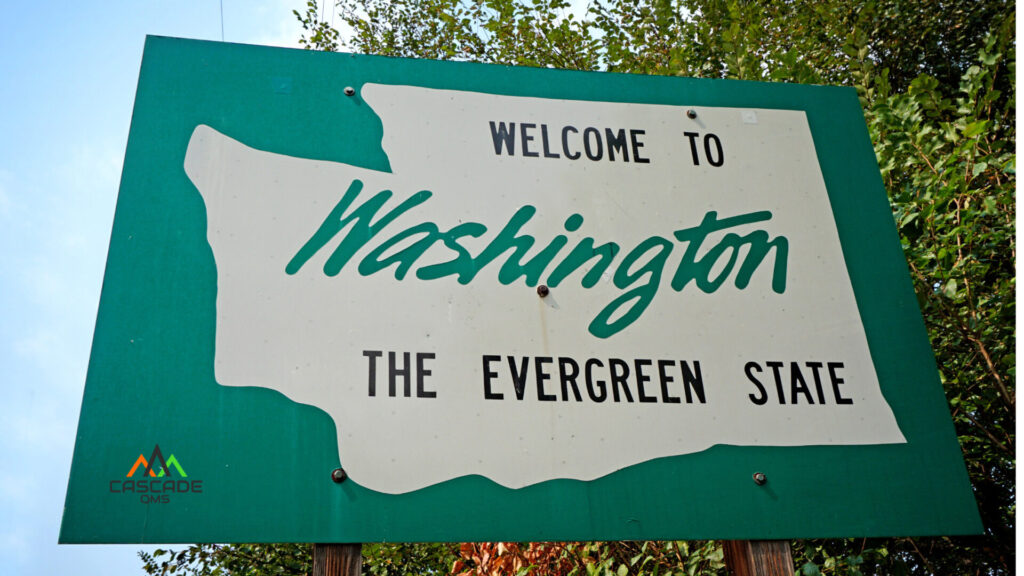
When it comes to workplace safety in Washington, businesses face some of the most comprehensive and state-specific compliance regulations in the country. Unlike many states that rely entirely on OSHA, Washington operates its own plan through the Washington Industrial Safety and Health Act (WISHA). The standards that enforce WISHA are known as the Washington Administrative Code, or WAC.
If you’re a contractor, subcontractor, or supplier doing business in Washington, understanding and complying with WAC safety standards isn’t optional—it’s critical. Whether you’re working on a construction site in Seattle, a data center in Eastern Washington, or a port facility near Tacoma, WAC safety compliance impacts everything from jobsite protocols to your ability to bid on and win work.
In this post, we’ll break down what WAC safety standards mean for your business, how they differ from federal OSHA rules, and why managing these regulations properly can make or break your success in the state.
What Is WAC—and How Does It Affect Contractors?
The Washington Administrative Code (WAC) is a collection of permanent rules and regulations established by state agencies. When it comes to safety, the Washington State Department of Labor & Industries (L&I) uses WAC codes to enforce health and safety laws for nearly all private and public sector workers.
Some of the most commonly applied WAC safety codes for contractors include:
- WAC 296-800 – General Safety and Health Standards
- WAC 296-155 – Construction Work
- WAC 296-307 – Agriculture
- WAC 296-62 – General Occupational Health Standards
- WAC 296-24 – General Safety and Health Standards for all industries
Unlike OSHA, which provides a more generalized national standard, WAC rules often go further—requiring Washington employers to implement written safety programs, conduct routine job hazard analyses (JHAs), and provide ongoing employee training that’s documented and customized to each role.
Key Safety Topics Contractors Must Address Under WAC
Whether you’re a general contractor or a specialized service provider, Washington expects you to take a proactive, documented approach to workplace safety. That includes compliance in areas like:
- Fall Protection (WAC 296-880)
Falls remain one of the leading causes of injuries and fatalities on job sites. WAC standards require a fall protection plan for any work over 4 feet in height in construction or general industry. Plans must be site-specific and include training, inspection, and a system for ensuring equipment is used properly.
- PPE Requirements (WAC 296-800-160)
Employers must conduct PPE assessments, train employees on correct usage, and maintain detailed records. Unlike OSHA’s general guidance, WAC mandates more frequent updates and documentation to remain in compliance.
- Ladder Safety (WAC 296-876)
Washington’s ladder safety requirements are more stringent than federal OSHA, including unique inspection intervals and design specs for different work environments.
- Heat Stress and Illness Prevention (WAC 296-307-097)
WAC’s outdoor heat exposure rule requires employers to monitor environmental conditions and enforce hydration, rest breaks, and emergency response procedures—particularly for agriculture, landscaping, and construction crews.
What Happens If You Don’t Comply with WAC Safety Standards?
Washington’s Department of Labor & Industries takes enforcement seriously. Failing to comply with WAC safety rules can lead to:
- Stop-work orders
- Fines of up to $70,000 per violation
- Disqualification from public bids
- Revocation of business licenses or registration
- Liability for injuries and exposure claims
Many companies mistakenly assume that if they’re compliant with OSHA, they’re compliant in Washington. But that’s not always the case. WAC rules often go beyond OSHA’s baseline, and failing to align with state-specific standards can leave you vulnerable to both financial and reputational damage.
How to Stay Compliant: A Proactive, Industry-Specific Approach
Because WAC standards can differ significantly across industries—from manufacturing and logistics to healthcare, construction, and tech—it’s not enough to have a one-size-fits-all safety manual. You need a customized plan based on your specific operations, work locations, and job functions.
To stay ahead, Washington contractors should:
- Develop WAC-aligned safety programs tailored to your industry
- Maintain training records and safety meeting logs
- Conduct site-specific risk assessments
- Update safety policies annually or when operations change
- Ensure subcontractors and temporary labor providers follow WAC rules
- Regularly audit your program and make corrective actions
Why Washington Contractors Choose Cascade QMS Safety Compliance
At Cascade QMS, we specialize in helping Washington-based contractors and suppliers navigate WAC safety standards—no matter the industry. Our team works directly with companies across the state to build, implement, and maintain compliance programs that meet both WAC and ISNetworld® requirements.
Here’s how we help:
- Develop and maintain WAC-compliant safety manuals and procedures
- Provide OSHA/WAC gap assessments
- Manage documentation for state inspections and contractor prequalification
- Handle ongoing training records, toolbox talks, and incident tracking
- Support with Avetta, ISN, and Veriforce compliance (when required)
- Keep your programs up to date with evolving WAC standards
We work with businesses of all sizes—from startups looking to bid on state contracts to seasoned contractors expanding into new WAC-covered industries.
✅ Serving all industries throughout Washington—construction, energy, environmental services, logistics, utilities, agriculture, trucking and hauling and more.
Final Thoughts
Doing business in Washington comes with a higher bar for safety compliance—but it also presents massive opportunity. Whether you’re working in downtown Seattle, Yakima Valley, or Spokane, clients expect contractors and suppliers to follow WAC safety standards rigorously and consistently.
Trying to manage WAC compliance on your own can be overwhelming—but it doesn’t have to be. With the right tools, oversight, and support, you can transform compliance from a regulatory headache into a competitive advantage.
Need Help Navigating WAC Safety Requirements?
Cascade QMS is here to help.
Let us take the guesswork out of WAC compliance so you can focus on what you do best: running your business.
👉 Contact us today to schedule a consultation and learn how we support contractors and suppliers across Washington.