
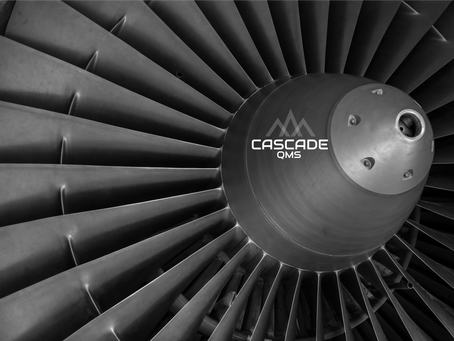
What is Microturbine Technology?
Microturbine technology is a small-scale power generation system that utilizes a compact gas turbine engine to produce electricity. A microturbine is a small turbine engine with an output capacity ranging from a few kilowatts to a few hundred kilowatts.
Microturbines are designed to be highly efficient and versatile, capable of running on various fuels, including natural gas, diesel, and even renewable fuels like biogas or hydrogen. They operate on the same basic principles as large gas turbines but are scaled down for smaller applications.
The main components of a microturbine system include the turbine itself, a compressor, a generator, a combustor, and a power electronics unit. Air is drawn into the system and compressed by the compressor. Fuel is then injected and mixed with the compressed air in the combustor, where it is ignited to produce high-temperature and high-pressure gases. These gases expand through the turbine, driving its blades and generating rotational motion. The rotational motion is then used to turn the generator, which produces electricity.
Power Advantages
Microturbines offer several advantages compared to other power generation technologies. They have a small footprint, making them suitable for installations in space-constrained areas. They have rapid start-up times, allowing for quick response to changes in electricity demand. Microturbines are also highly modular, meaning multiple units can be easily combined to increase power output. Furthermore, their high exhaust temperatures can be harnessed for cogeneration applications, such as generating heat or steam for industrial processes or heating purposes.
Applications for microturbine technology include distributed power generation, where multiple microturbines can be deployed in a decentralized manner to provide electricity to individual buildings, campuses, or remote areas. They can also be used in combined heat and power (CHP) systems to produce electricity and proper heat simultaneously. Other applications include backup power for critical facilities, such as hospitals or data centers, and hybrid electric vehicles.
Overall, microturbine technology offers a flexible and efficient solution for small-scale power generation, providing a reliable source of electricity in a compact package.
Contractors in Microturbine Technology
Developing microturbine technology requires a multidisciplinary approach involving contractors with expertise in different areas.
Here are 6 of the critical types of contractors that may be involved in the development process:
-
Engineering Contractors: These contractors specialize in engineering disciplines such as mechanical, electrical, and control systems engineering. They are responsible for designing the microturbine system, including the turbine, compressor, generator, combustor, and associated components. They work on optimizing performance, ensuring efficiency, and meeting safety and regulatory standards.
-
Manufacturing Contractors: These contractors are involved in the production and assembly of the microturbine system. They may specialize in precision machining, fabrication, and assembly of turbine components, compressors, generators, and other parts. Manufacturing contractors ensure the system is built to the required specifications and quality standards.
-
Software and Control Contractors: Developing the control systems and software for microturbine operation and monitoring is crucial. Contractors with expertise in software development, control systems engineering, and data analysis can contribute to developing control algorithms and user interfaces and integrating sensors and actuators for effective microturbine system operation and monitoring.
-
Fuel and Energy Contractors: Microturbines can operate on various fuels, such as natural gas, diesel, or renewable. Contractors with expertise in fuel systems and energy sources can contribute to optimizing the microturbine system’s fuel delivery, combustion, emissions control, and integration with renewable energy sources like biogas or hydrogen.
-
Testing and Certification Contractors: Validation and certification of microturbine systems are essential to ensure their safety, performance, and compliance with industry standards and regulations. Testing contractors specialize in conducting performance tests, durability tests, and safety evaluations. They may also assist in obtaining necessary certifications and compliance with regulatory requirements.
-
Installation and Maintenance Contractors: Once the microturbine technology is developed, installation contractors can assist in deploying and commissioning the systems in various applications, such as distributed power generation or CHP systems. Maintenance contractors can provide ongoing maintenance, monitoring, and repair services to ensure the efficient and reliable operation of the microturbine systems.
The Future
Microturbine technology is expected to play a significant role in the future for several reasons:
Distributed Power Generation: Microturbines offer a decentralized approach to power generation, allowing electricity to be produced on-site or near where it is needed. This reduces transmission losses and enhances energy efficiency. Microturbines can provide reliable power for individual buildings, remote areas, or communities, improving energy access and resiliency.
Renewable Energy Integration: Microturbines can be operated with various fuels, including renewable sources like biogas, hydrogen, or syngas derived from biomass. This flexibility enables the integration of renewable energy into the power generation mix. Microturbines can efficiently convert these renewable fuels into electricity, helping to reduce greenhouse gas emissions and promote a transition to a cleaner energy future.
Cogeneration and Combined Heat and Power (CHP): Microturbines are well-suited for combined heat and power systems, where they can simultaneously generate electricity and valuable thermal energy. By capturing waste heat from the exhaust gases, microturbines can significantly increase overall energy efficiency compared to separate electricity and heat generation. CHP systems using microturbines can find applications in buildings, industrial processes, and district heating systems.
Backup Power and Grid Support: Microturbines can serve as reliable backup power systems, providing electricity during grid outages or emergencies. They can be utilized in critical facilities like hospitals, data centers, or telecommunications infrastructure to ensure uninterrupted power supply. Additionally, microturbines can contribute to grid stability by providing grid support services, such as peak shaving, load balancing, or grid voltage and frequency regulation.
Hybrid Electric Systems: Microturbines can be integrated into hybrid electric systems, such as hybrid electric vehicles (HEVs) and range extenders for electric vehicles (EVs). Their compact size and high power-to-weight ratio make them suitable for providing efficient onboard power generation, extending the electric range, and reducing reliance on fossil fuels.
Microgrids and Resilience: Microturbines can be a valuable component of microgrid systems, localized electricity networks that can operate independently or in connection with the primary grid. Microgrids enhance energy resilience by enabling self-sufficiency, improving reliability, and facilitating the integration of renewable energy resources. Microturbines can serve as reliable power sources within microgrids, especially in areas prone to grid disruptions or with limited infrastructure.
Overall, microturbine technology offers versatile and efficient solutions for power generation, combining compact size, fuel flexibility, and the potential for combined heat and power applications. Microturbines are expected to play a valuable role in shaping the future energy landscape as the world seeks to address energy challenges, reduce emissions, and enhance energy resilience.
Major companies involved in microturbine technology:
Capstone Turbine Corporation® is a leading manufacturer of microturbine systems. They offer a range of microturbine products with power outputs ranging from 30 kW to 10 MW. Capstone’s microturbines are used in distributed power generation, CHP systems, and hybrid electric applications. They have installations in commercial and industrial facilities, oil and gas, hospitality, and utilities.
Microturbine Companies Include:
- FlexEnergy® develops and manufactures microturbine systems that convert waste gases, such as landfill gas or biogas, into electricity and heat. Their microturbines are designed for low emissions and high efficiency. FlexEnergy’s systems find applications in waste management, wastewater treatment plants, agricultural operations, and other industries with sources of waste gases.
- Ansaldo Energia® is an Italian engineering company that offers microturbine solutions for distributed power generation and CHP systems. Their microturbines are designed for industrial and residential applications, and focus on high-efficiency and low-emission systems. Ansaldo Energia’s microturbines can operate on various fuels, including natural gas and hydrogen.
- Brayton Energy® specializes in the development of advanced microturbine systems. They focus on high-efficiency power generation and thermal management solutions. Brayton Energy’s microturbines are used in aerospace applications. This includes crewless aerial vehicles (UAVs) and auxiliary power units (APUs).
- Bladon Jets® designs and manufactures microturbine generators for various applications, including power generation, electric vehicles, and hybrid power systems. Their microturbines are known for their compact size and high power density. Bladon Jets has developed microturbines for automotive applications, specifically range extenders for electric vehicles.
- Aurelia Turbines® is a Finnish company that develops and manufactures small gas turbine systems. Their microturbines are designed for combined heat and power applications and distributed power generation. Aurelia Turbines’ products are known for their high electrical efficiency and low emissions.
Safety Programs
When working with microturbine technology, contractors must ensure safety compliance to protect workers, equipment, and the surrounding environment. Here are some key aspects that contractors should consider to maintain safety compliance:
-
Safety Training: Contractors should provide appropriate safety training to their employees with microturbine technology. This training should cover general safety practices, hazard identification, proper use of personal protective equipment (PPE), emergency response procedures, and specific safety considerations related to microturbine operations.
-
Equipment Safety: Contractors should ensure that all equipment, tools, and machinery used during the installation, maintenance, or repair of microturbines are in proper working condition and compliant with safety standards. Regular inspection and equipment maintenance are essential to minimize the risk of accidents or malfunctions.
-
Hazardous Materials: Contractors must handle any hazardous materials associated with microturbine technology in accordance with safety regulations. This includes appropriately storing, handling, and disposing of fuels, lubricants, chemicals, or other substances used in operating or maintaining microturbine systems.
-
Electrical Safety: Microturbine systems involve electrical components, so contractors should follow electrical safety protocols. This includes ensuring proper grounding, lockout/tagout procedures, and adherence to relevant electrical codes and standards. Contractors must also thoroughly understand electrical hazards associated with microturbines and take appropriate precautions.
-
Fire Safety: Contractors should implement fire safety measures to mitigate the risk of fire incidents. This includes having appropriate fire suppression systems and fire extinguishers and conducting regular fire drills. Microturbine systems must be installed and operated in compliance with fire safety regulations and standards.
-
Compliance with Codes and Regulations: Contractors must familiarize themselves with relevant codes, standards, and regulations related to microturbine technology. These may include local building codes, electrical codes, environmental rules, and occupational safety guidelines. Contractors should ensure that their work meets these requirements to maintain safety compliance.
-
Risk Assessment and Management: Contractors should thoroughly assess the microturbine installation or maintenance work. This includes identifying potential hazards, evaluating risks, and implementing appropriate risk management measures. Contractors should have procedures to address identified risks and ensure workers know safety protocols.
-
Documentation and Reporting: Contractors should maintain proper documentation of safety training, safety inspections, maintenance records, and incident reports. Accurate and up-to-date documentation helps demonstrate safety compliance and describes safety-related activities.
Getting Compliant
Contractors need to stay updated on safety practices, regulations, and industry guidelines related to microturbine technology. Consult with safety experts and collaborate with consultants such as Cascade QMS. Engaging in continuous safety training and education are valuable steps to ensure safety compliance. Whether you’re a new company seeking foundations for safety and compliance or an existing company wanting to expand into more compliant waters, Cascade QMS has a solution. Let’s talk about your safety programs.