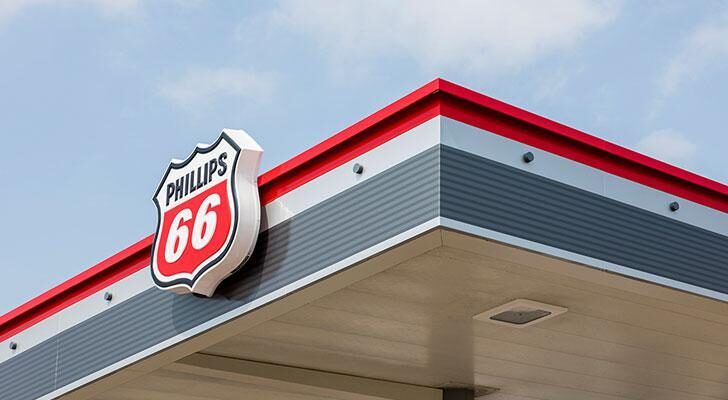
When people talk about energy companies that have mastered the balance between operational efficiency and safety, Phillips 66 often finds its way into the conversation. The company’s long history in refining, midstream logistics, chemicals, and marketing is backed by a reputation for disciplined management, consistent innovation, and a strong focus on safety.
But what many outside the industry don’t realize is just how critical contractor compliance is to keeping these operations running smoothly. Behind the scenes, two major platforms—ISN (ISNetworld) and NCMS (National Compliance Management Services)—play a central role in ensuring the contractors working on Phillips 66 projects meet the highest standards for safety, training, and regulatory readiness.
In this article, we’ll look at what these systems do, how Phillips 66 integrates them into its operations, and why the combination is so powerful for reducing risk, improving efficiency, and protecting both workers and the communities they serve. We’ll also review recent developments at Phillips 66, including financial highlights, strategic changes, and a few statistics that put their performance into perspective.
Why ISN and NCMS Are Essential Tools in the Energy Sector
For companies like Phillips 66, managing contractors isn’t just about hiring someone with the right skillset—it’s about ensuring they have the right training, certifications, safety records, and insurance documentation to operate in environments where a mistake could cost lives, damage the environment, or halt production.
ISN (ISNetworld) is a widely used compliance management platform that acts as a central hub for contractor information. It collects, verifies, and organizes key data—everything from OSHA logs to insurance policies—so that hiring companies can make informed decisions quickly. For Phillips 66, this means every contractor stepping onto a job site has already been vetted against strict criteria.
Get ISN Certified with Cascade QMS by clicking here to begin.
NCMS, on the other hand, takes a more specialized approach to contractor compliance. It is particularly well-known in the oil, gas, and petrochemical sectors for its drug and alcohol monitoring programs, field audits, and real-time tracking of contractor performance. In industries where impairment or procedural shortcuts can be catastrophic, this added layer of oversight is invaluable.
Get NCMS Certified with Cascade QMS by clicking here to begin.
When used together, ISN and NCMS create a two-tiered safety net. ISN ensures contractors meet baseline compliance standards before they’re even considered for a project. NCMS then provides ongoing oversight, ensuring those standards are maintained throughout the life of the job. This combination allows Phillips 66 to operate with confidence in high-risk environments, knowing that both prequalification and continuous monitoring are covered.
Phillips 66’s Current Performance and Strategic Moves
Phillips 66’s second quarter of 2025 offers a snapshot of how these compliance systems support broader operational success.
-
Earnings: The company reported earnings of $877 million (or $2.15 per share) and adjusted earnings of $973 million ($2.38 per share).
-
Refining Performance: Their refining facilities ran at 98% utilization, producing an impressive 86% clean product yield.
-
Midstream Growth: The acquisition of the EPIC NGL system—now rebranded as Coastal Bend—has strengthened their logistics and gathering capabilities, contributing to one of their strongest quarters in recent years.
On the strategic side, Phillips 66 announced the sale of a 65% interest in its Germany and Austria retail network for approximately €2.5 billion (~$2.8 billion USD). The proceeds are expected to help reduce debt and fund shareholder returns.
There’s also a governance shift underway. Following engagement with Elliott Investment Management, Phillips 66 has agreed to bring two Elliott-backed directors onto its board. For investors, this is seen as a sign that the company is open to sharpening its focus on shareholder value, while maintaining operational discipline.
The Safety Factor: How ISN and NCMS Support Long-Term Goals
Phillips 66 operates in environments where regulatory compliance, process safety, and environmental stewardship are inseparable from profitability. For example:
-
Risk Mitigation: ISN’s prequalification process weeds out contractors who might pose unnecessary risks.
-
Continuous Oversight: NCMS keeps contractors accountable, tracking adherence to site-specific safety requirements and client-mandated programs.
-
Audit Readiness: With both systems, documentation is always up to date and easily accessible for internal reviews or regulatory audits.
This is not just about passing inspections—it’s about creating a culture of safety that extends from the boardroom to the job site. When incidents are avoided, production schedules remain intact, environmental risks stay low, and the company’s reputation remains strong.
Industry Trends Driving the Use of Compliance Platforms
It’s worth noting that Phillips 66 isn’t alone in using ISN and NCMS. Across the oil, gas, and chemical industries, these platforms have become almost a de facto requirement for doing business with major players. According to ISN, its client base now spans more than 700 hiring organizations and over 75,000 contractors worldwide.
The reason is simple: the costs of non-compliance can be devastating. A single safety violation can lead to six-figure fines, multi-million-dollar lawsuits, and irreparable brand damage. By integrating compliance platforms into everyday operations, companies like Phillips 66 aren’t just meeting minimum safety requirements—they’re protecting long-term profitability and shareholder trust.
Looking Ahead: Phillips 66’s Commitment to Safety and Sustainability
Beyond compliance, Phillips 66 is continuing to invest in renewable fuels, emissions reduction technologies, and community safety programs. One recent highlight is the launch of the Dos Picos II gas plant in the Permian Basin, which will enhance processing capacity while supporting cleaner energy production.
The company has also maintained strong community outreach in pipeline safety, with education programs designed to help the public recognize hazards and respond appropriately in an emergency. This aligns closely with their use of ISN and NCMS: both are part of a broader commitment to doing things the right way—every time.
Final Takeaway
The partnership between Phillips 66, ISN, and NCMS is more than a compliance checklist—it’s a proactive strategy that blends safety, efficiency, and accountability. By prequalifying contractors through ISN and monitoring them in the field with NCMS, Phillips 66 minimizes risk while keeping projects on track.
In an industry where the stakes are high, this approach isn’t just smart—it’s essential. With strong Q2 results, strategic asset management, and a continued focus on operational integrity, Phillips 66 shows that safety and profitability can go hand in hand.
Contact Cascade QMS now for a free assessment of your needs!