
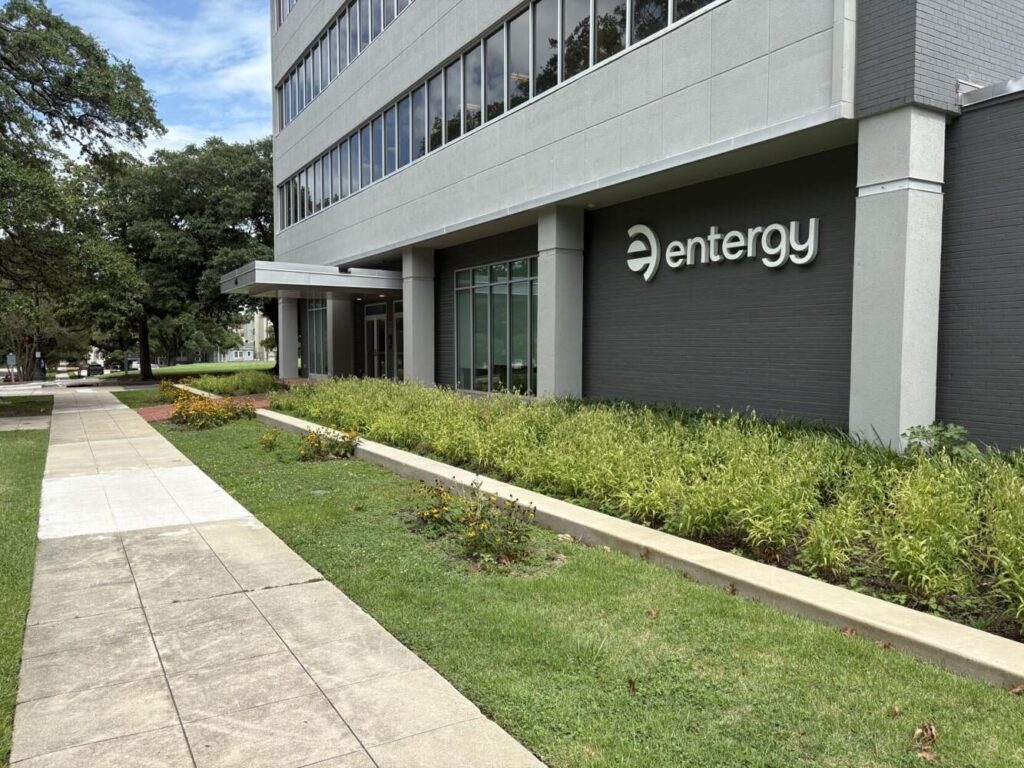
When Entergy announced that all contractor insurance compliance would move to Avetta, it confirmed what many in the industry already knew: compliance is no longer an afterthought, it’s a requirement for doing business. For contractors, this shift means that insurance documents, employee training, worker management, and even written safety programs are now tied directly to eligibility to work on Entergy projects.
Entergy’s deadline of September 10, 2025, is firm, and contractors who don’t meet it risk losing access to current and future projects. That’s why now is the time to get ahead of the requirements and take a proactive approach to Avetta compliance.
At Cascade QMS, we help companies manage their Avetta accounts through our Avetta Management Plan, making it easier to stay compliant with Entergy and other hiring clients. Below, we’ll break down exactly what Entergy is requiring, why it matters, and how your
Hand the wheel to Cascade QMS to handle your Avetta compliance! Request a call HERE
Why Entergy Is Using Avetta
For years, large utilities like Entergy have faced the challenge of managing thousands of contractors across different states, each with unique insurance policies, safety records, and employee training standards. The old system of collecting paper documents or handling compliance individually with each vendor was slow, error-prone, and risky.
By shifting to Avetta, Entergy gains:
- Centralized oversight of contractor compliance.
- Reduced liability exposure through standardized verification of insurance and safety.
- Faster onboarding of approved vendors.
- Ongoing visibility into training, worker safety, and program implementation.
For contractors, this means the bar for compliance is now higher, but also more structured. Avetta provides a clear checklist of what must be submitted and keeps track of expirations, renewals, and audits.
Entergy’s Immediate Insurance Requirements
The first task for contractors is completing all insurance compliance requirements in Avetta. These include:
- Entergy-Specific Insurance Questionnaire
A detailed form within Avetta that collects your company’s insurance coverage information, endorsements, and limits. This is unique to Entergy and must be filled out completely. - Certificates of Insurance (COIs)
Contractors must upload valid certificates that reflect coverage in areas such as:- General Commercial Liability
- Automobile Liability
- Workers’ Compensation
- Umbrella or Excess Liability, if applicable
- Any Entergy-specific endorsements, like additional insured status
Avetta’s system automatically flags expired policies and mismatched coverage. If your insurance documentation doesn’t align with Entergy’s requirements, your status will be marked “Non-Compliant.”
The Role of the Avetta Manual Audit
Insurance is just the starting point. Entergy also requires contractors to maintain compliance in broader areas of safety and workforce management. This is where the Avetta Manual Audit comes into play.
During a Manual Audit, Avetta reviews more than just whether your documents exist—they evaluate whether your safety programs and processes are written, implemented, and actively followed.
Key areas of a Manual Audit include:
- Written Safety Programs – OSHA-aligned programs covering topics like hazard communication, lockout/tagout, PPE, heat illness prevention, and emergency response.
- Training Records – Documentation showing that employees have been trained on relevant safety topics.
- Safety Statistics – Annual submission of OSHA 300 and 300A logs, TRIR (Total Recordable Incident Rate), and EMR (Experience Modification Rate).
- Corrective Actions – Evidence that your company has addressed past safety issues or incidents.
Failing a Manual Audit doesn’t just slow down approval—it can disqualify your company until every gap is corrected.
Worker Training and Management Requirements
Entergy wants more than just proof of insurance. The company expects contractors to demonstrate that their employees are trained, qualified, and safe.
Through Avetta, contractors must submit:
- Employee Training Records – Proof that workers have completed OSHA courses, job-specific safety training, and site-specific orientations.
- Certification Documents – Such as OSHA 10/30 cards, trade licenses, and professional certifications.
- Drug & Alcohol Program Documentation – Records that demonstrate compliance with pre-employment, random, and post-incident testing.
- Worker Assignments & Management – Systems showing that employees are only assigned to tasks they are qualified and trained to perform.
This level of visibility allows Entergy to ensure that every worker on their sites is qualified and up to date on safety protocols. For contractors, it requires careful organization and constant record-keeping.
The Challenges Contractors Face with Avetta
Many contractors underestimate how much time and effort Avetta compliance takes. Common challenges include:
- Insurance Gaps – Brokers issue COIs that don’t meet Entergy’s requirements, leading to rejections.
- Training Documentation – Employee records are scattered across different systems or not properly documented.
- Audit Failures – Written safety programs are outdated, incomplete, or not aligned with Avetta standards.
- Time Drain – Internal staff spend hours uploading, revising, and resubmitting documents, often while trying to manage day-to-day operations.
Each of these issues can result in delays, rejections, or non-compliance status.
Why Compliance Matters: The Risks of Falling Behind
Non-compliance in Avetta isn’t just inconvenient—it can cost contractors significant opportunities.
Consequences of Non-Compliance:
- Lost Projects – Entergy will not assign work to non-compliant contractors.
- Work Stoppages – Active projects may be delayed until compliance is restored.
- Financial Loss – Missed deadlines and disqualification mean lost revenue.
- Reputation Damage – A history of non-compliance can reduce competitiveness for future contracts.
With large utilities like Entergy, the compliance bar is high because the risks are high. Contractors who can’t keep up are quickly replaced by those who can.
How Cascade QMS Simplifies Avetta Compliance
At Cascade QMS, we designed our Avetta Management Plan to help contractors manage these requirements from start to finish. We don’t just upload documents—we ensure you stay compliant year-round.
Our services include:
Insurance Documentation Support
- Review Entergy’s requirements before submission.
- Work directly with brokers to ensure COIs are correct.
- Monitor expiration dates and manage renewals.
Manual Audit Preparation
- Update and align written safety programs with Avetta standards.
- Create audit-ready documentation that reduces rejections.
- Provide OSHA logs, incident rates, and supporting data in the correct format.
Employee Training & Worker Management
- Collect and organize training records.
- Upload OSHA cards, licenses, and certifications.
- Monitor expiration dates and schedule refresher training.
- Provide templates for rosters, sign-in sheets, and competency assessments.
Ongoing Oversight
- Monthly reviews to catch compliance gaps early.
- Proactive responses to Entergy or Avetta requirement changes.
- Year-round account monitoring to prevent last-minute scrambles.
Why Early Action Is Essential
With Entergy’s deadline of September 10, 2025, contractors may be tempted to wait until closer to the date. That’s a mistake.
Reasons to start early include:
- Avetta reviews can take several business days.
- Rejections require additional time for corrections.
- Brokers may take weeks to issue updated COIs.
- Gathering training records and updating safety programs is time-consuming.
By starting now, you can resolve issues before they become emergencies—and guarantee uninterrupted eligibility.
Staying Competitive in a Compliance-Driven Market
Entergy’s move to Avetta isn’t an isolated event. Across industries—utilities, oil and gas, construction, and manufacturing—companies are adopting third-party compliance platforms to manage contractors.
For contractors, this means that compliance is no longer just a back-office task. It’s now a competitive advantage.
Companies with fully compliant Avetta accounts:
- Win more contracts by proving reliability.
- Avoid costly project delays.
- Build stronger relationships with hiring clients.
- Reduce internal stress and administrative costs.
Those who fall behind risk being left out of the bidding process entirely.
FAQs: Entergy and Avetta Compliance
Q: What happens if my company misses the September 10, 2025, deadline?
A: You will likely be marked “Non-Compliant” in Avetta, which will prevent you from bidding on or continuing work with Entergy until compliance is restored.
Q: Can I handle Avetta compliance in-house?
A: Yes, but many companies underestimate the time involved. Between insurance renewals, Manual Audits, and training record management, compliance can easily consume dozens of staff hours each month.
Q: What is the biggest reason for rejection in Avetta?
A: Incorrect insurance certificates are the most common issue, followed closely by incomplete training documentation and outdated safety programs.
Q: How does Cascade QMS help with audits?
A: We review your written safety programs, align them with Avetta standards, and ensure that all supporting documents (training records, OSHA logs, etc.) are audit-ready before submission.
Final Thoughts: Don’t Leave Compliance to Chance
Entergy’s partnership with Avetta raises the stakes for contractors. Insurance compliance, Manual Audits, employee training, and worker management are now non-negotiable.
The contractors who succeed in this environment are the ones who treat compliance as a strategic priority—not just paperwork. With Cascade QMS and our Avetta Management Plan, you gain a partner who ensures your account remains fully compliant with Entergy’s requirements, giving you peace of mind and a competitive edge.
👉 Contact us today to learn how Cascade QMS can manage your Avetta account and keep your business eligible to work with Entergy year-round.